Islands have featured in fiction and in particular in children’s fiction for many years. From Kirrin Island in Enid Blyton’s Famous Five series to Stephenson’s Treasure Island, the islands in Kensuke’s Kingdom and Robinson Crusoe and also in picture books, like Struay in the Katie Morag series. Islands are often synonymous with adventure and sometimes with secrets too. The island in Charlotte Lo’s debut novel for children fits in perfectly with this theme. However there is a difference. In this story Luna and her family win an island in a competition. The island will be their new home.
When the family hear the news of their win Luna is absolutely delighted as she thinks she will finally be able to achieve her dream of acquiring a donkey of her own. Luna’s older sister, Margot is less thrilled. In fact initially she refuses to move. Fabien, the girls’ goat obsessed younger brother, is already planning how he will keep goats in their new home. Mum ponders the possibility of starting a yoga retreat on the island whilst Dad, still grief stricken after the death of the children’s much loved granny, is unable to raise enthusiasm for anything at the moment. However the move goes ahead and the family discover that their island is beautiful despite needing much work done on the house and its surroundings. Then their plans hit a few snags and things get rather tricky for the children with much hilarity and excitement along the way.
This is great fun and guaranteed to put smiles on faces. There is a very positive feel about the story which is engaging from the first pages onwards. The three very different children are fond of each other and the sibling relationships are realistic. The dramatic change to the family’s lifestyle is a good discussion trigger for children and some of the locals reactions to the new arrivals are interesting too. As the story progresses we watch Luna’s growing friendship with Kai, a boy from the mainland and the three children’s attempts to organise a festival both of which storylines encounter a few hiccups. Fabien is a delightful character and the cause of many of the books amusing moments. The reader is made aware of the grief suffered by families when a loved one dies but this is not dwelt on and in fact is dealt with in such a matter of fact way that younger readers will gain reassurance.
We Won an Island is a happy, enjoyable read which readers aged about 8 plus will enjoy, especially if they are animal lovers. It would work well read aloud too, the short chapters would be perfect for ten minute sessions in the classroom.
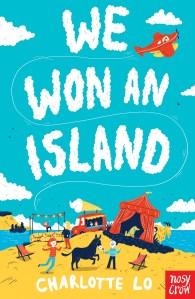
Thank you to Nosy Crow Books for providing me with my proof copy. The book has an attractive cover and chapter headings by Aviel Basi.




 Which books do children read? The answer to this question varies according to which source of information you consult. A more pertinent question might be, which books do children choose to read? The announcement this week of the shortlisted books for the
 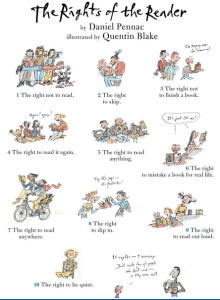 As a school librarian I felt sympathy for a child who brought a carefully selected book back to the library the following day saying “Mum says this is too easy for me.” or “ I’ve been told I need a more challenging book.” It is of course possible that the child in question is easily capable of a more challenging book but surely it is preferable to respect their original choice and then nudge them gently towards something considered more appropriate next time. Seventeen years as a primary school librarian have shown me that illustrated books of all types are very popular with children all the way through primary school and beyond. Any concentration on books being ‘too easy’ or ‘too young’ may be linked to the following of reading schemes and levels but once a child is able to read independently they often want to revisit old favourites and read them themselves or simply read for fun. If we persist in describing reading as something that children should do or as something that is good for them in the same way as eating vegetables then we should not be surprised if they do not then see it as fun. If they are allowed to become involved in their reading progress by choosing books they like they are much more likely to feel that they are participating in an active and enjoyable way. The Rights of The Reader poster by Daniel Pennac and illustrated by Sir Quentin Blake summarises excellently the varies ways in which reading can be encouraged.