Today I am delighted to welcome Hannah Rix to my blog. In these first few weeks of the school year the focus for everyone is initially on settling in and ensuring children feel happy and secure. We also aim to start with positivity and enthusiasm regarding teaching and learning. The subject of Hannah’s guest post is one that was important to me as a school librarian and continues to be so as part of my book recommendations and themed lists. The balance in schools between learning to read and learning to become a reader is an important and potentially tricky aspect of the curriculum. I hope you find Hannah’s thoughtful article both interesting and helpful.
Why loving reading and learning to read are two different things
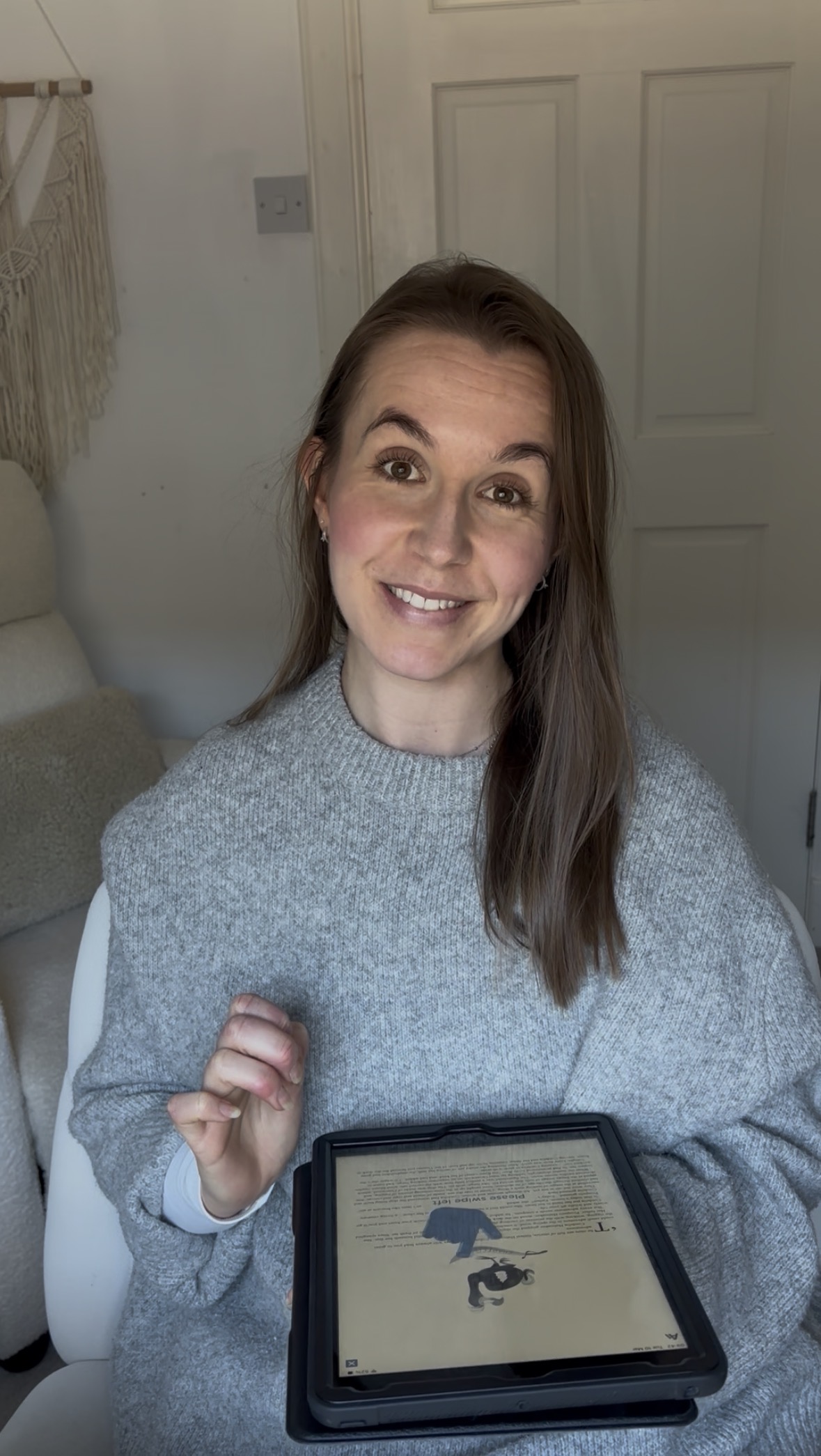
Written by Hannah Rix, co-founder of Little Reads.
If you asked me when I became a reader, I couldn’t tell you exactly when it happened. It was far later than you’d think, and it nearly didn’t happen at all.
But the reading itself? That I remember.
Mum and dad reading We’re Going on a Bear Hunt and The Tiger Who Came to Tea. A bedroom bookshelf that never seemed to empty. The stack of Judy Moody books my mum handed me, and tearing through the lot (then Jacqueline Wilson, then Harry Potter, then everything).
None of it felt like learning. Which is probably strange because it was genuinely hard for me.
I struggled with reading as a child. I dreaded reading aloud, and it always felt like I needed to try that bit harder than my friends. And I doubt anyone would have guessed I’d end up an English teacher, least of all me. (Reading aloud never did come naturally either… even as a qualified teacher I’d practise reciting chapters and poems ahead of time before reading them to my class. Storytelling is a skill all of its own.)
What got me to being a ‘reader’ had absolutely nothing to do with schemes or levels. It was a mum who read everything (so much so that our loft ceiling once fell through under the weight of the books she couldn’t bear to part with) and hours spent talking to her about the books she had read, was reading or would like to read. That was powerful. The love came first. The skill limped along behind.
Then I spent ten years as an English teacher assuming the two came as a package. Turns out I was wrong.
Think about how we ask after a child’s reading. At parents’ evening it’s how are they getting on. In the book bag it’s a reading record waiting for a signature. On the report it’s a band and a target. It all boils down to one question. Can they turn the letters into words? But there’s a second question hiding underneath, and it hardly ever gets asked. Do they love it?
Learning to read is a skill. Decoding, analysing, comprehending. It can be taught, tested, tracked and levelled. Schools are good at it because they have to be.
Loving reading is a relationship. You aren’t thinking about decoding, you’re too busy being somewhere else. And you can’t put that on a tracker.
I’ve taught children who could read anything you put in front of them and wouldn’t dream of opening a book for fun. And children who found the words a genuine slog but loved stories with their whole hearts.
The trouble starts when the machinery built for the skill gets pointed at the love.
Read for twenty minutes because it brings your reading age up. Put that one back, it’s not your level. Finish the chapter, there’s a comprehension sheet coming. All perfectly well meant, and none of it anyone’s fault (teachers are beholden to the curriculum, and we all know how hard they work). But bit by bit a child learns that reading is a job with a target attached. And the love can’t survive that for long.
We’d spend a term on books the kids loved (The Curious Incident of the Dog in the Night-Time, Wonder, Harry Potter) and they’d light up at Christopher’s swearing or Auggie’s bravery. Then we’d rush the ending because an assessment point was looming. All the love squeezed out by the clock.
I also saw what happens when you switch it all off. At the complex needs school where I spent three years as English Lead, reading had nothing to do with exams or levels. For many pupils it meant being able to communicate and take part. They chose what they fancied, not what came next on a band.
One pupil couldn’t hold a book herself but was reading well above her age, and I just knew she’d love the sass of Tracy Beaker. Cue our Wednesday afternoons becoming a tour of Jacqueline Wilson’s entire catalogue. No tracker. No target. Just a girl and stories she grew to love.
Which brings me to librarians, who’ve always understood this better than most. A library doesn’t ask a child what level they’re on before it lets them in. It just says, here are the books, which one do you fancy?
Browsing is how a reader finds their thing. Mine is people (I’ll happily read a book that goes nowhere if I get to set up camp inside a character’s head). My own school librarian (shout out Miss Lawrence) always had time to pair you with a great book. Never judgemental. Nobody keeping score. That’s where loving to read really starts to grow legs.
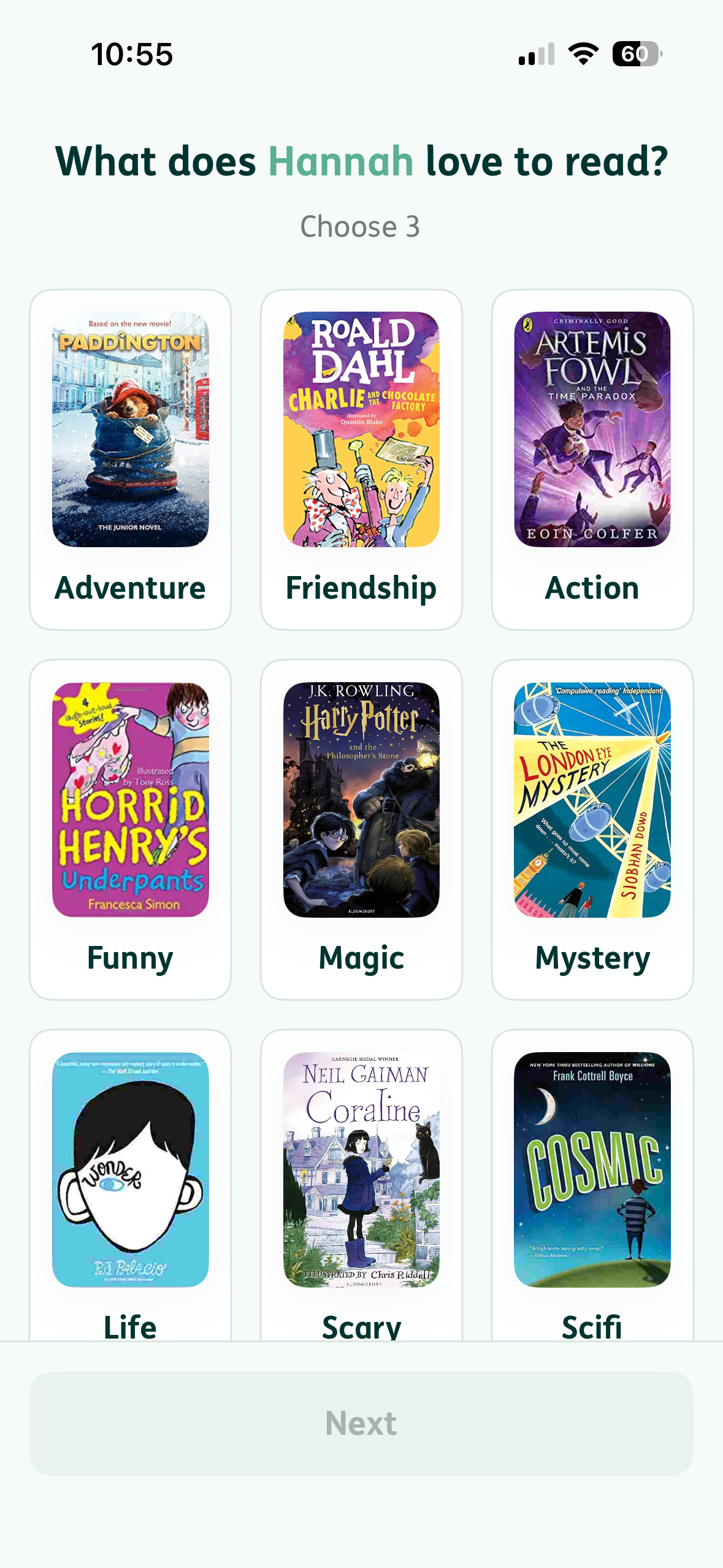
It’s a big part of why I built Little Reads. I wanted somewhere that treats loving reading as the reason, not a by-product of a lesson. A library of 3,000+ books I’ve hand-picked for ages 5 to 11, with no quizzes and nobody marking progress. No ads either. Just the books.
One honest note, because your readers know children at every stage. Little Reads is built for children who already love reading. If a child is still finding their feet with the words themselves, an app made for teaching that skill will serve them better. This one is for the ones who’ve already fallen in love and want a few more pages to turn.
If you asked me when I became a reader, I couldn’t tell you exactly when it happened. It was far later than you’d think, and it nearly didn’t happen at all.
I still couldn’t tell you when I became a reader. But I know it wasn’t a level going up. It was Judy Moody, a full bookshelf, and someone who never once asked what page I was on.
Teaching a child to read is one of the most important jobs there is. But loving reading is a separate gift, and it needs looking after in its own right. So next time someone asks whether a child can read, maybe ask the second question too. Do they love it? (And maybe keep an eye on the loft.)
Hannah Rix is a former English teacher and the co-founder of Little Reads, a curated library of 3,000+ hand-picked children’s books for ages 5 to 11. You can find it at readingmate.co.uk/littlereads
P.S. A Library Lady readers can get 30 days free with the code LIBLADY30.
Discover more from Library Lady
Subscribe to get the latest posts sent to your email.


Absolutely spot on here with the distinction between skill and a love of reading, Hannah, especially on how structured education can value the one over the other.
Those who opt to study English lit at higher levels, as you note, also often find the compromises demanded by lit crit over lit love painful and counterproductive. I hope Little Reads will go some way towards instilling the love that’s so necessary for the appreciation of literature and stories as little ‘uns grow and mature and find new stories.
LikeLiked by 1 person
I completely agree with you and this is why being a school librarian was so important to me. Personal choice in reading material is crucial to reading enjoyment and so much of the English curriculum at all ages doesn’t allow for this. After my English Lit A Level I was put off reading for some considerable time. Simply being allowed to wander around a library and pick and choose at will matters. Hannah will be pleased by your comment I’m sure so I will let her know.
LikeLiked by 1 person