Ever since her debut novel, Frost Hollow Hall I have found Emma Carroll’s historical fiction a treat to savour. I am shamefully late to reading this collection of short stories but having found the opportunity to sit down and enjoy this book in a leisurely fashion it was most definitely worth the wait.

What I find appealing about Emma’s books is that more than any other current children’s fiction they make me feel like the ten year old me again, curled up in a corner engrossed in a story that I truly felt a part of. She is an author with a knack for capturing the voice of children and enabling her readers to feel that they are involved in the adventure. Better still they are adventures in which children take centre stage, finding bravery when they thought they had none, righting wrongs and solving problems.
Historical fiction is wonderful for explaining to children how the world came to be as it is at present. In Emma Carroll’s books historical events become real and relevant to today’s child readers. In When We Were Warriors the author returns to a period and to characters already featured in some of her previous books. Set during World War 2 in 1942 each of the three stories depict children coping with the effects of war, be that as evacuees or at still at home but enduring the fear of the blitz.
In the first story young Stan and his two sisters are evacuated from Bristol to a large country house with forbidden rooms and disturbing secrets. Stan is portrayed as a sensitive boy and the manner of his character development is touching and would be reassuring for readers too. The second story is one in which Olive discovers the body of a German soldier washed up on the beach and is an exciting adventure that will enthral children as the tension mounts and the story is told at a cracking pace. Again the children display tenacity and courage as they face a threat to a friend and to their village. In the final story Velvet is determined to ensure that all the local pets are kept safe when the bombs fall even if this means taking matters in to her own hands. It also touches on the subject of conscientious objectors with care and understanding.
This is a delight for those familiar with Emma Carroll’s earlier stories as we rediscover familiar places and are reunited with old friends, however it would also be a wonderful introduction for those unfamiliar with her work. Although the stories stand alone the way in which they are set in a particular area of the country and the lovely manner in which they contain a thread that unites them add to the feeling of satisfaction as you turn the final page.This is highly recommended.
A book that will appeal to children in the 8 – 12 age group this would also work extremely well read aloud. It would be useful for primary teachers as it features different aspects of the Second World War presenting historical detail in an accessible manner.
When We Were Warriors is available in all good bookshops or online
If you have not already read it I would recommend Emma’s other book set in World War Two, Letters from the Lighthouse. Another excellent WW2 novel for this age group is D-Day Dog by Tom Palmer.
I have collected a number of links to websites that may be useful for teachers in primary school classrooms on World War 2 topics.
WW2 Evacuees
There are many sources of information about evacuees suitable for KS2 students but two of the most comprehensive websites are Primary Homework Help and the Imperial War Museum
Home Front
Life at home in Britain is an interesting subject for children and The National Archives website contains a range of teaching ideas and resources.
For a range of resources on many different aspects of World War 2 that are freely available to download you may like to try the Primary Resources website.
When We Were Warriors is the sixth book on my list for the 20BooksOfSummer challenge organised by Cathy on 746 Books.
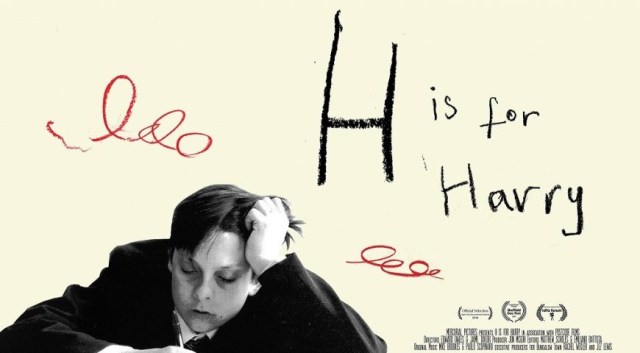
 There was no mention of a school library in the documentary so I do not not know if one existed or not but I would be disappointed if this was not provided for the young people who attended. School libraries, ideally run by a librarian, are great social levellers. They provide a range of books for all tastes, at different levels that will encourage all children, whether or not they have books at home already, to read for pleasure. I can think of a few secondary school librarians who could have found something that would have engaged Harry. When I worked as a full time school librarian in the independent sector I was once told that I was the ‘fizz on the drink’ that fee paying parents expected. I firmly believe that school libraries and librarians should be a vital part of a child’s daily educational diet not an optional and enjoyable extra. The