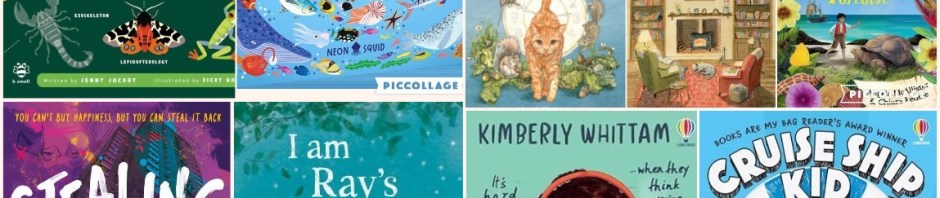
Prompted by my friend and fellow children’s book blogger and librarian Veronica Price I have decided, somewhat belatedly, to mark the National Year of Reading by posting a monthly round up of my reading. This will no doubt usually consist of children’s books in the main but occasionally others may sneak in. My reading in March has been made up of new books that I have been sent by publishers and some books that I have read to enable me to recommend titles on particular themes as requested by others.
Sometimes I read a debut that impresses me and I watch with interest to see how that ‘tricky second novel’ does when it arrives. Two very different books worked their way up my list this month that fit this category, coincidentally both published by Usborne Books.
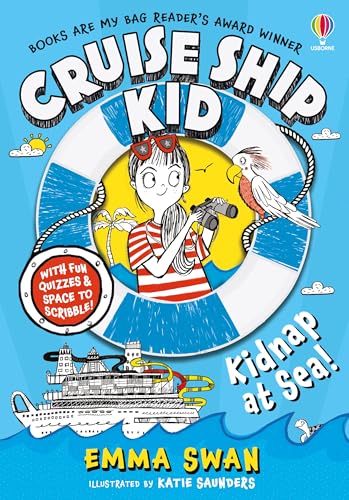
First off my shelf was Cruise Ship Kid: Kidnap at Sea by Emma Swan Illustrated by Katie Saunders The second book in this jolly detective series picks up the story as the likeable Silver and her mum depart on another cruise in a new ship. Now promoted, Silver’s mum has been charged with looking after a famous influencer who is on board. Things go badly wrong when the influencer is kidnapped! But don’t worry Silver and her octogenarian gang of friends are on the case and lining up possible suspects already.
With Katie Saunders’ funny, doodle style illustrations throughout and Emma Swann’s chatty narrative style this is great fun. However there are subtle messages about self-confidence and resilience incorporated which children will absorb as they enjoy the story. The interactive element involves readers from the start and adds greatly to the appeal. Inspired by the author’s own childhood on cruise ships this will probably inspire a whole new generation to try cruising! Great fun and recommended for readers aged about 8+.
Quiet Storm by Kimberly Whittam was a book that I thought would be an excellent transition read and others clearly agreed as this has been used for this purpose in Manchester schools supported by the National Literacy Trust. Whittam’s second novel, Always Angel therefore was a must read for me and I found it as affecting as her debut.
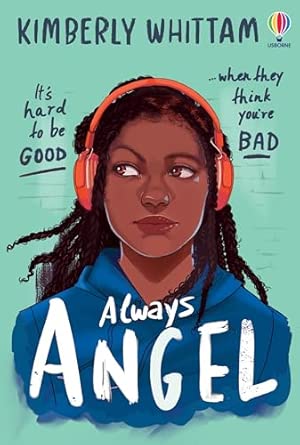
Although it is frequently said that literature enables children to understand others, sometimes it is just as important, if not more so, that it helps children understand their own behaviour. Kimberley Whittam works in a secondary school with youngsters in the Special Educational Needs department and her background and experience are evident in her stories.
Angel is struggling at school. Her anger is constantly getting her into trouble and detentions, even suspension, has disrupted her time in Year 7. In Year 8 she is offered a fresh start but she continues to make the wrong choices. Through the narrative the reader learns that Angel wants to be good and that the anger is a result of her own anxiety, despair and low self-esteem. Her mum has severe mental health problems, she has been moved from one foster home to another and finds school work difficult. Gradually through the discovery of pastimes that Angel finds rewarding, the kindness of her foster parents and the perseverance of dedicated teachers the situation improves. This novel contains a powerful message about the importance of second chances, the need for good friends and finding a way to be your best self. Highly recommended for Year 6 upwards.
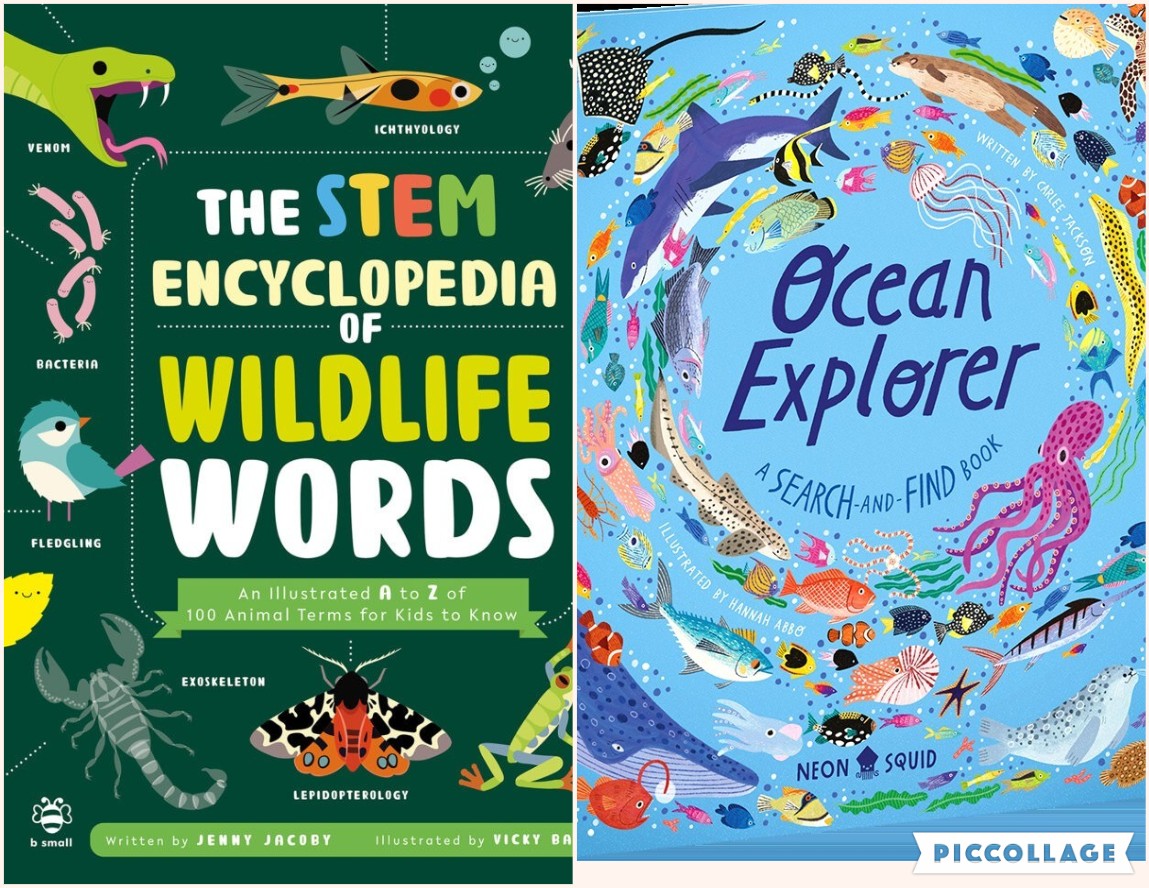
For younger children I reviewed a selection of new picture books that all featured animals in some form. From rabbits to donkeys, from pet cats to giant turtles there are animals of all types featured in these titles which nurture curiosity and creativity and offer comfort during change or loss. You can read my reviews here. For many children information books are their choice for their own reading and two brand new titles again suitable for animal lovers featured in my reading this month. The STEM Encyclopedia of Wildlife Words is an excellent book for both browsing and reference and one that I learned much from too. This would be great for upper primary and lower secondary pupils and definitely a good purchase for school libraries. Ocean Explorer: A Search-And-Find book makes learning fun for slightly younger children. Full of facts and information the interactive element will encourage participation and widen this book’s appeal. You can read my reviews of both of these books here.
This month I had been asked to recommend some recent poetry books to a group of teachers as part of their CPD sessions. As luck would have it I received a couple of newly published books that fitted the brief perfectly. Brian Moses needs no introduction at all, as a highly regarded poet with more than 200 books to his credit his books can be found in every school in the country. However, he had a new book published on World Book Day by Scallywag Press that is, I think, his first verse novel. I Am Ray’s Imaginary Friend, illustrated by Bethan Welby, is a kind, thoughtful and, ultimately, uplifting book. This would reassure any children experiencing a home move or in fact any big change in their lives and is full of wise advice. It is an empathetic and tender read and would work well read aloud in the classroom.
Another of my recommendations for this session on poetry was a sneak preview of a poetry collection which will be published in May. Aardvard Day is a selection of poems by Victoria Gatehouse illustrated by Kate Lucy Foster published by the Emma Press, a small independent publisher. This is a debut by Victoria Gatehouse who is a zoologist and each of the poems shines a light on the different lives of creatures and wildlife. There is everything here from frogs to otters and trees and hedgerows, even a competition between a pet dog and a pet cat. Some of the poems come with a factual note for background and at the end of the book there is an interview with the poet and some guidance on writing poems yourself from editor, Emma Dai’an Wright. This could be used in the classroom by teachers but also is not daunting for children to try themselves. The lovely line drawings help accessibility and have appeal to children. One to look out for in May.
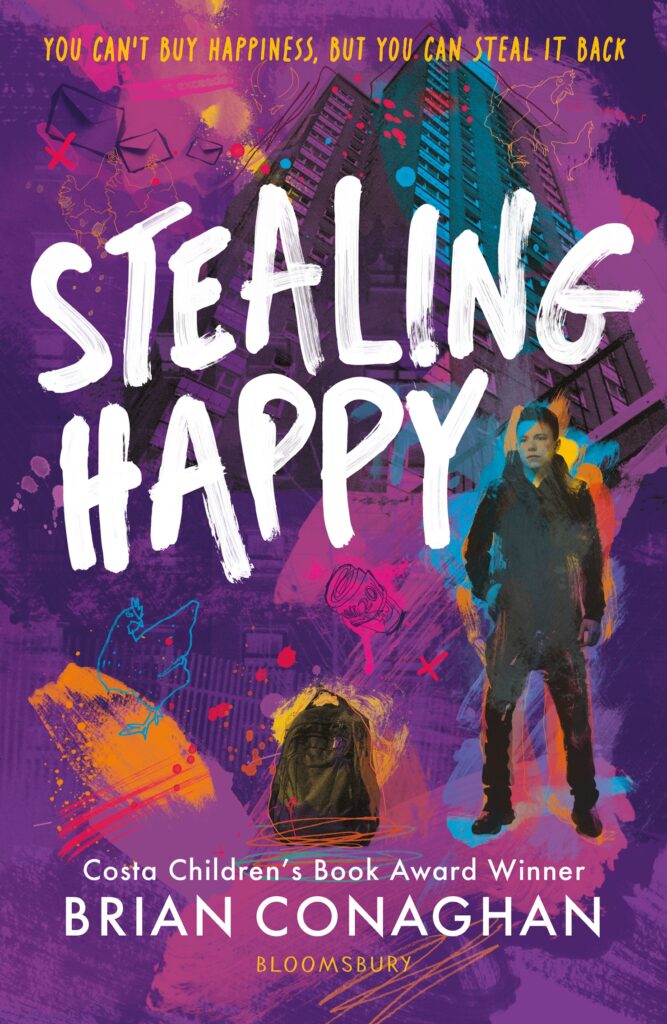
For the past year I have been creating themed book lists to be shared with members of the School Library Association and the most recent theme was mental health, well being and friendship. In order to compile the list for KS3 I read Stealing Happy by Brian Conaghan, a YA title longlisted for this year’s Carnegie Medal for Writing. Stealing Happy is a heartfelt, funny and insightful novel highlighting both mental health and neurodiversity in a way that is both engaging and meaningful for teen readers. Set around thirteen year old Sonny, it tackles serious issues such as poverty, long Covid in his family and the challenges of living with Tourette’s syndrome and OCD with refreshing honesty and kindness. Conaghan’s authentic voice makes Sonny laugh out loud funny in places while also offering empathetic insight into the pressures he faces. The friendships with Jonah and the wonderful Carolina Swift add real warmth. The book balances emotional depth with comic relief, making it ideal for discussions about resilience, neurodiversity and empathy in young people’s lives. Suitable for 12/13+
So, quite a varied list, and something suitable for children of different ages from pre-schoolers to teens however I have enjoyed all of them. I do hope that some of the titles here work their magic for youngsters too and help make this year a time that they discover the joy of reading for its own sake.
Discover more from Library Lady
Subscribe to get the latest posts sent to your email.


 Library Lady