Written by disabled journalist and mother of two Cathy Reay this guide is written with warmth, understanding and practical positivity. Although chiefly directed at youngsters with a disability to help them navigate those tricky years between primary and secondary age, this comprehensive and enlightening book also encourages non-disabled children, and adults, to advocate for a more accessible world. I am writing this review at a time when the first Empathy Festival is taking place and How to be Disabled and Proud is particularly relevant to this initiative’s aims.
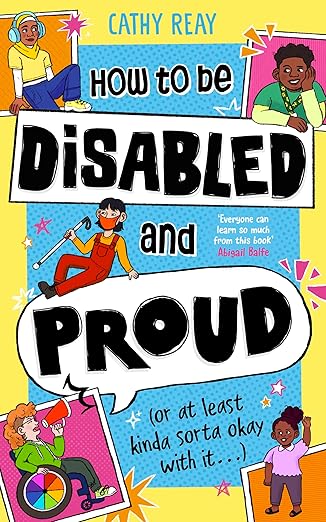
Cathy Reay, who has achondroplasia sometimes referred to as dwarfism, opens with a brief biography giving her readers a helpful background. She explains that when she was growing up a book such as this one did not exist so her aim is to fill that gap. There is also a thoughtful and supportive note for parents and caregivers. The guide itself is wide ranging in the areas it covers. From navigating school life, finding disabled community and gaining confidence, to facing challenges like bullying and discrimination and learning how to value and celebrate yourself, just as you are.
The author does not shy away from tricky subjects and details the difficulties that people with a disability may face in society but always offers a positive way to deal with these difficulties. It helps that she has consulted many adults who have learned through experience how to conquer challenges and learn to cope with the issues they have faced. Those she quotes in the guide include Ellie Simmonds the paralympic swimmer, Jameisha Prescod, a film maker with lupus, neurodivergent author Elle McNicol and Simon Wheatcroft the blind marathon runner. These inspirational role models offer an honest assessment of their experiences and explain how they have dealt with and overcome setbacks and challenges.
The writing style is warm and chatty incorporating questions to engage and there is plenty of opportunity for young readers to make a note of their own feelings and think about ways to overcome their difficulties. This approach has a friendly and comforting tone and youngsters may like to use this guide as a reference tool and an aid to collecting their own wishes and hopes. The illustrations throughout by disabled artist Jaleel Hudson are light hearted in approach and the book’s design is accessible and inviting. How to be Disabled and Proud is equally valuable to readers who are not disabled enabling them to empathise and learn how to become an advocate. The book covers many aspects of disability and adults will learn much from this guide too, with the sections on activism and the medical side being a valuable reference tool and encouraging parents and carers to think about new approaches to responding to the many questions that youngsters may have. This is a book that really makes you think about attitudes and stereotypes and is recommended for secondary school libraries in particular as it would be invaluable for that transition phase of children’s lives
I should like to thank Puffin Books and Sally Oliphant for providing my review copy. How to be Disabled and Proud was published in March of this year.
Discover more from Library Lady
Subscribe to get the latest posts sent to your email.


 Library Lady
Excellent, a guide that takes what’s generally perceived as negative traits and argues for how one may build on a positive approach to selfhood and the world.
LikeLiked by 1 person
Pingback: Reading Matters – children’s book news | Library Lady